

Is your dog’s shedding driving you crazy? Is their coat looking a bit lackluster? Whether you have a short-haired pup or a double-coated breed, regular brushing is key to maintaining a healthy, shiny coat. But with so many tools and techniques out there, it can be tough to know where to start.
Fear not, because we’ve got you covered! In this ultimate guide, we’ll walk you through seven essential tips to make dog brushing a breeze. From choosing the right brush for your dog’s coat type to mastering the art of gentle grooming, these tips will help you keep your furry friend looking and feeling their best.
Ready to transform your dog’s grooming routine and say goodbye to shedding woes? Let’s dive in!
Table of Contents
1. Choose the Right Brush for Your Dog’s Coat Type
Different Coats Require Different Brushes
Short-haired dogs:
- Rubber brush: This type of brush has flexible rubber bristles that gently massage the skin and help remove loose hair and dirt. It’s ideal for short-haired breeds as it is gentle on the skin and effectively captures loose fur.
- Bristle brush: These brushes have densely packed bristles that work well for short-haired dogs. They help remove loose hair, dirt, and debris from the coat while distributing natural oils, giving the coat a healthy shine. Bristle brushes are also good for a quick touch-up between regular grooming sessions.
Medium to long-haired dogs:
- Slicker brush: This brush features fine, short wires that are close together on a flat surface. It’s excellent for removing tangles, mats, and loose fur, especially in medium to long-haired breeds. Slicker brushes can reach deeper into the coat and are effective at keeping the fur smooth and tangle-free.
- De-shedding tool: These tools are specifically designed to reach deep into the coat and remove loose undercoat fur without damaging the topcoat. They are handy for breeds with medium to long hair that are prone to heavy shedding. De-shedding tools help reduce the amount of loose fur and keep the coat looking neat.
Double-coated breeds:
- Undercoat rake: An undercoat rake has long, widely spaced teeth that can penetrate deep into a dog’s dense undercoat. It’s designed to remove loose fur from the undercoat, which is the primary source of shedding in double-coated breeds. Regular use of an undercoat rake helps prevent mats and tangles, reduces shedding, and keeps the coat healthy and well-groomed.
Choosing the right brush for your dog’s specific coat type is essential for effective grooming. Using the appropriate brush not only helps in removing loose fur and reducing shedding but also ensures that your dog’s coat remains healthy, tangle-free, and shiny. 🐾
2. Brush Your Dog Regularly
Consistency is Key!
Regular brushing is essential for maintaining your dog’s coat health and managing shedding. The frequency of brushing largely depends on your dog’s coat type:
Short-haired dogs may need brushing once a week:
- Short-haired breeds: Dogs like Beagles, Boxers, and Dalmatians have short, smooth coats that require minimal grooming. Brushing once a week helps remove loose hair and dirt, keeping their coat shiny and healthy. Regular brushing also stimulates blood circulation and distributes natural oils, promoting a healthy coat.
Medium to long-haired dogs benefit from brushing several times a week:
- Medium-haired breeds: Dogs like Golden Retrievers, Border Collies, and Cocker Spaniels have longer fur that is more prone to tangles and mats. Brushing them a few times a week helps prevent matting, removes loose fur, and keeps their coat looking its best.
- Long-haired breeds: Breeds like Shih Tzus, Afghan Hounds, and Yorkshire Terriers have long, flowing coats that require more frequent grooming. Brushing several times a week ensures their fur stays tangle-free and reduces the risk of mats, which can be painful and difficult to remove.
Double-coated breeds may require daily brushing during shedding seasons:
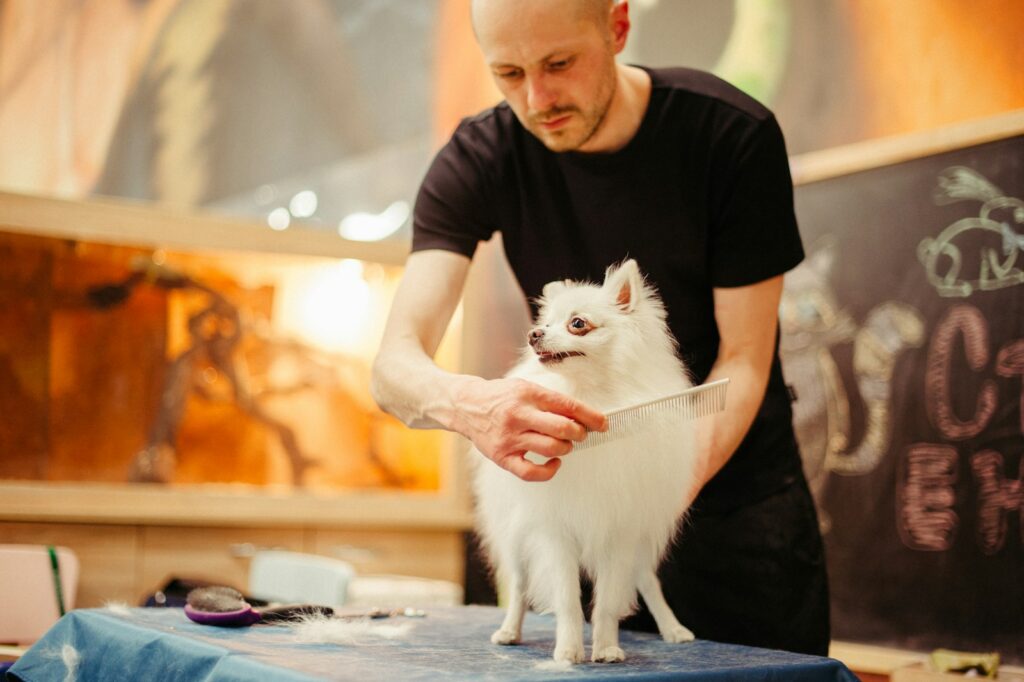
- Double-coated breeds: Dogs like Siberian Huskies, German Shepherds, and Pomeranians have a thick undercoat that sheds seasonally. During shedding seasons (typically spring and fall), these breeds benefit from daily brushing to remove loose fur from the undercoat and prevent excessive shedding. Regular brushing helps manage the shedding process and keeps their coat healthy. General benefits of consistent brushing:
- Reduces shedding: Regular brushing helps capture loose fur before it falls out around your home, making it easier to manage shedding.
- Prevents matting and tangles: Consistent grooming prevents tangles and mats from forming, especially in medium to long-haired breeds.
- Distributes natural oils: Brushing helps distribute natural oils produced by your dog’s skin, keeping their coat moisturized and shiny.
- Improves overall skin health: Regular grooming can improve blood circulation and remove dirt and debris from the coat, contributing to better overall skin health.
Consistent brushing tailored to your dog’s coat type is key to maintaining a healthy, shiny coat and managing shedding. By following a regular grooming routine, you can ensure your dog’s coat stays in top condition and reduce the amount of loose fur around your home. 🐾
3. Start Slowly and Be Gentle
Start Slowly and Be Gentle
Introduce brushing gradually, especially if your dog isn’t used to it: If your dog is new to brushing or has had negative experiences with grooming in the past, it’s important to start slowly to help them get comfortable with the process. Rushing can cause stress and make your dog resistant to grooming.
Begin with short sessions and gentle strokes:
- Short sessions: Start with just a few minutes of brushing at a time. This helps your dog get used to the sensation without feeling overwhelmed. You can gradually increase the length of the sessions as your dog becomes more comfortable.
- Gentle strokes: Use gentle, smooth strokes when brushing your dog. Avoid pressing too hard or pulling on the fur, as this can cause discomfort. Gentle brushing helps create a positive association with the grooming process.
Offering treats and praise:
- Treats: Provide treats as positive reinforcement during and after brushing sessions. This can help your dog associate brushing with rewards and pleasant experiences.
- Praise: Offer verbal praise and affectionate petting to reassure your dog and make them feel safe. Positive reinforcement creates a bonding experience and encourages good behavior during grooming.
Make the experience positive and enjoyable: The goal is to make brushing a positive and stress-free experience for your dog. By starting slowly, being gentle, and offering treats and praise, you can help your dog relax and enjoy the grooming process. Over time, they will become more comfortable and cooperative during brushing sessions.
In summary, starting slowly and being gentle when introducing brushing to your dog is key to creating a positive grooming experience. Gradual, short sessions with gentle strokes, combined with treats and praise, can help your dog feel comfortable and enjoy being brushed. This not only makes the process easier for you but also helps maintain your dog’s coat and overall health.
4. Check for Tangles and Mats
Always check for tangles and mats before you start brushing:
- Initial Inspection: Before you begin brushing your dog, take a moment to inspect their coat for any tangles or mats. Tangles are small knots in the fur, while mats are larger clumps of tangled hair that can become tight and close to the skin.
Use your fingers or a detangling spray to gently work through knots:
- Fingers: Start by using your fingers to gently separate and loosen any tangles. This allows you to feel the knots and work through them carefully without causing discomfort to your dog.
- Detangling Spray: If the tangles are stubborn, consider using a detangling spray. These sprays are designed to soften the fur and make it easier to work through knots without pulling on the hair. Simply spray a small amount on the tangled area and gently work through the knots with your fingers or a comb.
Be extra careful when brushing areas prone to tangling, like behind the ears and under the legs:
- Behind the Ears: This area is particularly prone to tangles because the fur tends to be softer and finer. When brushing behind the ears, be gentle and use a comb or your fingers to carefully work through any knots.
- Under the Legs: The fur under the legs can easily become matted due to friction from walking and lying down. Take extra care when brushing these areas to avoid causing any discomfort. Use a slicker brush or a comb to gently remove tangles.
Why it’s important:
- Prevent Discomfort: Tangles and mats can be uncomfortable and even painful for your dog. They can pull on the skin, causing irritation and potential skin issues.
- Maintain Coat Health: Regularly checking for and removing tangles and mats helps keep your dog’s coat healthy and free from knots. This allows for better air circulation and prevents skin problems.
- Easier Grooming: By addressing tangles and mats before brushing, you make the grooming process smoother and more effective. This ensures that the brush can glide through the coat easily, removing loose fur and keeping the coat in top condition.
In summary, checking for tangles and mats before you start brushing is a crucial step in maintaining your dog’s coat health. Using your fingers or a detangling spray to gently work through knots, and paying extra attention to areas prone to tangling, ensures a comfortable and effective grooming session. 🐾
5. Brush in the Direction of Hair Growth
Helps minimize discomfort: Brushing in the same direction as the hair naturally grows (also known as following the grain) is more comfortable for your dog. It prevents the brush from tugging at the hair follicles, which can cause pain or discomfort. This gentle approach makes the grooming experience more pleasant for your dog, especially if they are sensitive or new to brushing.
Prevents breakage: Brushing against the direction of hair growth can put unnecessary stress on the hair shafts, leading to breakage and damage. By brushing in the direction of hair growth, you reduce the risk of breaking the hair, helping to maintain the coat’s strength and overall health.
Use slow, steady strokes:
- Slow strokes: Moving the brush slowly and deliberately allows you to work through any tangles or knots gently. It gives you better control over the brushing process, ensuring you don’t accidentally pull or snag the fur.
- Steady strokes: Consistent, steady brushing helps distribute the pressure evenly across the coat, reducing the risk of discomfort or injury. It also ensures that you cover all areas of the coat evenly, promoting a thorough grooming session.
Avoid pulling on your dog’s fur: Pulling or yanking on the fur can cause pain, discomfort, and even damage to the skin. It’s essential to be gentle and patient, especially when encountering tangles or mats. If you encounter a knot, use your fingers or a detangling spray to gently work through it before continuing with the brush.
Why it matters:
- Promotes a positive grooming experience: Brushing in the direction of hair growth with slow, steady strokes helps create a comfortable and enjoyable grooming experience for your dog. This positive association makes future grooming sessions easier and more pleasant for both you and your pet.
- Maintains coat health: Proper brushing techniques help maintain the integrity of the coat, reducing breakage and promoting a healthy, shiny appearance. It also helps distribute natural oils from the skin throughout the coat, keeping it moisturized and healthy.
- Prevents skin irritation: Gentle brushing reduces the risk of causing skin irritation or injury, which can occur if the fur is pulled or yanked.
In summary, brushing your dog’s coat in the direction of hair growth with slow, steady strokes helps minimize discomfort, prevent breakage, and ensure a positive grooming experience. It promotes coat health and reduces the risk of skin irritation, making grooming a more enjoyable and beneficial activity for your dog.
6. Pay Attention to Sensitive Areas
Sensitive Areas:
- Belly: The skin on a dog’s belly is often more delicate and sensitive compared to other parts of the body. Brushing this area requires extra care to avoid causing discomfort or irritation.
- Armpits: The area under a dog’s front legs (armpits) can be particularly sensitive. This region is prone to friction, and the skin can be thin and delicate, making it more susceptible to irritation.
- Tail: The tail is another sensitive area that requires gentle handling. The skin at the base of the tail can be sensitive, and the fur can easily become tangled or matted.
Use a Softer Brush or a Grooming Glove:
- Softer Brush: When grooming sensitive areas, opt for a softer brush with gentle bristles. Soft brushes are designed to be less abrasive on delicate skin, reducing the risk of irritation and discomfort. They help remove loose fur and dirt without causing harm.
- Grooming Glove: A grooming glove is an excellent tool for brushing sensitive areas. These gloves have soft, flexible bristles on the palm and fingers, allowing you to gently massage and groom your dog while providing a soothing experience. Grooming gloves are particularly useful for dogs that are nervous or sensitive to traditional brushes.
Avoid Causing Discomfort or Irritation:
- Gentle Handling: When brushing sensitive areas, use slow, gentle strokes. Be patient and avoid applying too much pressure. Gentle handling ensures your dog feels comfortable and relaxed during the grooming process.
- Positive Reinforcement: To make grooming a positive experience, offer treats and praise while brushing sensitive areas. This helps your dog associate grooming with positive rewards, reducing anxiety and resistance.
- Frequent Checks: Regularly check these sensitive areas for any signs of irritation, redness, or injury. Addressing any issues promptly can prevent discomfort and ensure your dog’s skin stays healthy.
Why It’s Important:
- Comfort and Well-being: Being mindful of sensitive areas ensures that grooming is a comfortable experience for your dog. It helps build trust between you and your pet, making future grooming sessions easier and more enjoyable.
- Prevents Skin Issues: Gentle grooming techniques reduce the risk of skin irritation, redness, or injury. This is especially important for dogs with delicate or sensitive skin.
- Maintains Coat Health: Proper grooming of sensitive areas helps keep the coat clean, free of tangles, and healthy. It also promotes good blood circulation and distributes natural oils for a shiny, well-maintained coat.
In summary, being mindful of sensitive areas such as the belly, armpits, and tail involves using a softer brush or grooming glove and handling these areas with care. Gentle brushing techniques and positive reinforcement help ensure a comfortable and stress-free grooming experience for your dog, promoting their overall health and well-being.
7. Use Brushing as an Opportunity to Check for Health Issues
Brushing your dog is more than just a grooming activity; it’s an excellent opportunity to monitor their overall health and well-being. While you brush, take the time to thoroughly inspect your dog’s skin and coat for any signs of health issues. Here’s how you can make the most of this opportunity:
1. Check for Irritation and Redness
- Irritation: Look for any areas where the skin appears inflamed, red, or irritated. This could be a sign of allergies, infections, or other skin conditions.
- Redness: Red spots or patches can indicate irritation, insect bites, or underlying health issues. Pay close attention to areas where the fur is thinner, such as the belly and armpits.
2. Feel for Lumps and Bumps
- Lumps: As you brush, gently run your hands over your dog’s body to feel for any unusual lumps or bumps. These could be benign cysts, tumors, or swollen glands. It’s important to monitor any changes in size, shape, or texture and consult your veterinarian if you find anything concerning.
- Bumps: Small bumps may be caused by insect bites or minor infections. Keep an eye on these and seek veterinary advice if they persist or worsen.
3. Inspect for Parasites
- Ticks: Ticks can attach themselves to your dog’s skin and are often found in hidden areas like the ears, neck, and between the toes. Carefully check these areas and remove any ticks you find using tweezers or a tick removal tool.
- Fleas: Look for signs of fleas, such as tiny black specks (flea dirt) or actual fleas moving through the fur. Fleas can cause intense itching and lead to allergic reactions or infections.
4. Monitor for Dryness or Flakiness
- Dry Skin: Check for dry, flaky skin, which can be a sign of dehydration, poor nutrition, or underlying health problems. Ensuring your dog is well-hydrated and on a balanced diet can help maintain healthy skin.
- Flakiness: Flaky skin can also indicate allergies or skin conditions like dermatitis. If you notice persistent flakiness, consult your veterinarian for appropriate treatment.
5. Observe Behavioral Changes
Unusual Behavior: If your dog seems unusually sensitive or reactive while brushing a specific area, it might indicate pain or discomfort. Investigate further and seek veterinary advice if needed.
Scratching and Licking: Pay attention to any excessive scratching, licking, or biting, as these behaviors can indicate skin irritation or discomfort. Identifying the cause early can prevent further complications.
Conclusion
Maintaining your dog’s coat health and managing shedding doesn’t have to be a daunting task. By following these seven powerful tips, you can revolutionize your dog brushing routine and ensure your furry friend always looks and feels their best. From selecting the right brush to adopting consistent grooming habits and checking for health issues, these strategies will help you keep your dog’s coat healthy, shiny, and tangle-free.
Remember, a well-groomed dog is a happy dog. Regular brushing not only improves your dog’s appearance but also strengthens the bond between you and your pet. So why wait? Start implementing these tips today and transform your dog’s grooming routine for the better.
Call to Action
Ready to elevate your dog’s grooming game? Grab your brush and make grooming sessions a regular part of your routine. Share your brushing success stories and tips with fellow dog owners in the comments below. Let’s create a community of well-groomed, happy pups together! 🐾
Happy brushing! 🐶✨


